BIG PICTURE
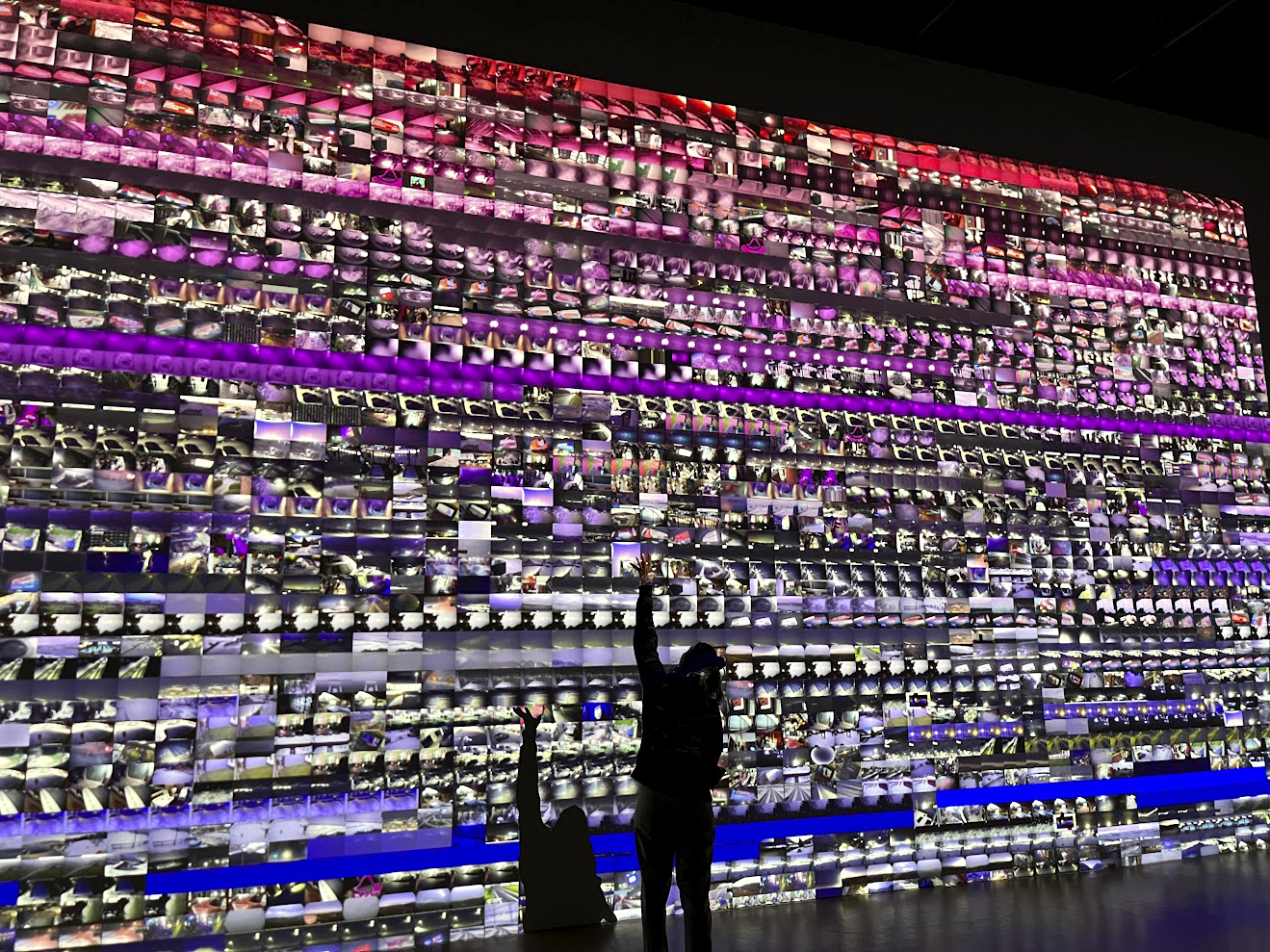
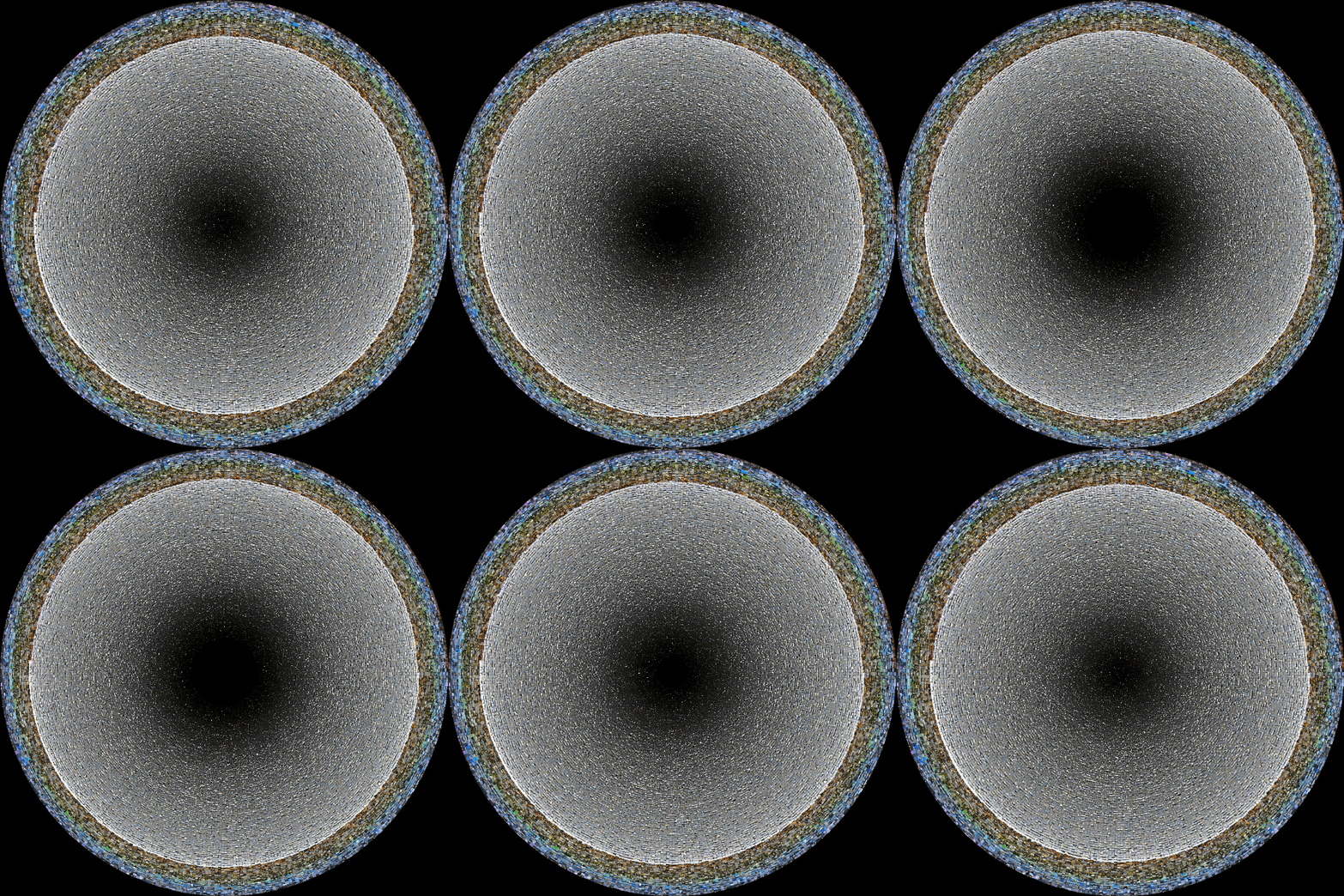
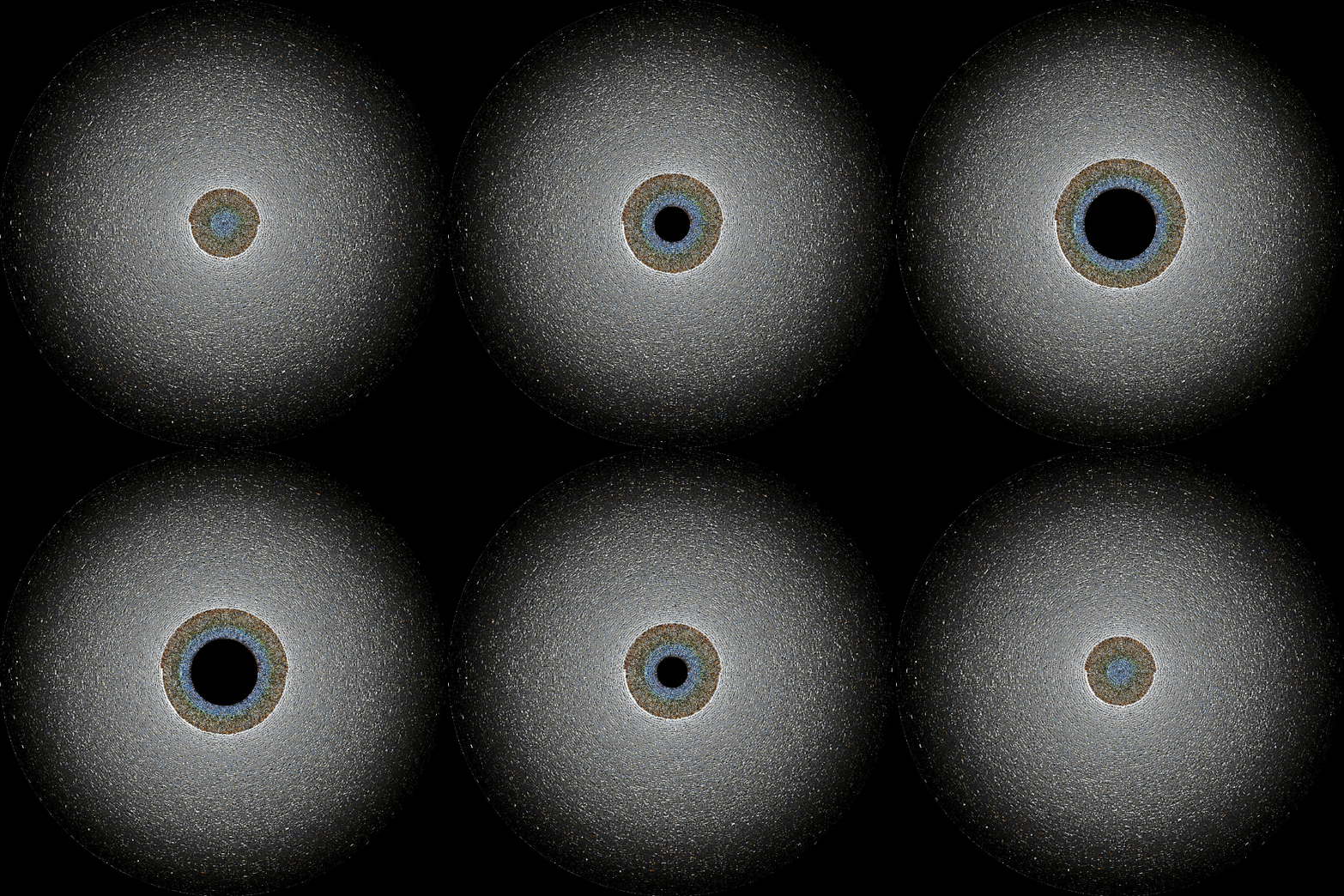
An eminent overview of all the images that our system downloaded from the Internet the previous day opens up here above.
Over one million images are summarized in a Big Picture.
This in turn can be arranged and displayed in different color modes, by time or even randomly.
And above all: you can zoom into this big picture and embark on a journey through the world of the previous day.
PATTERN
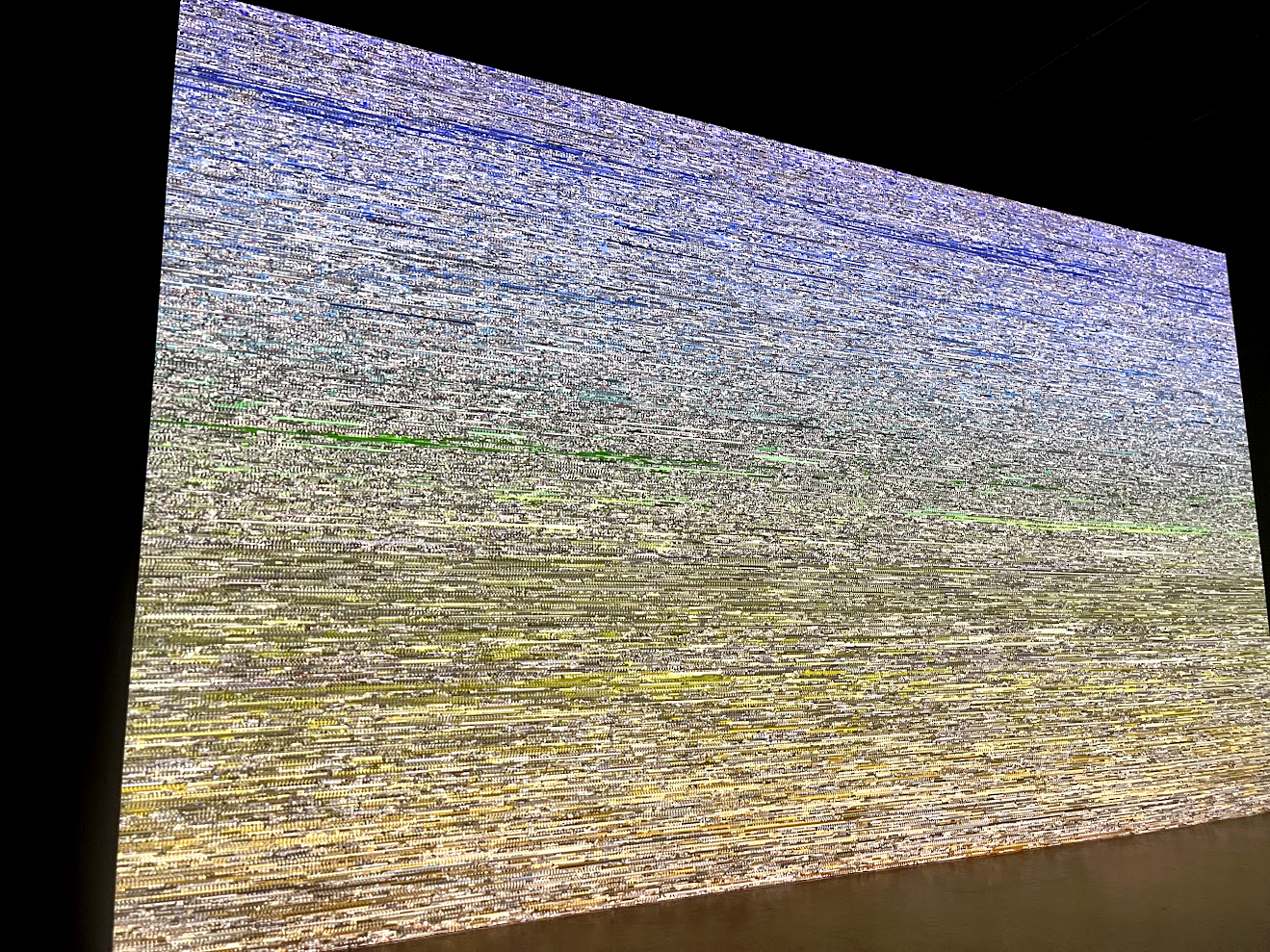
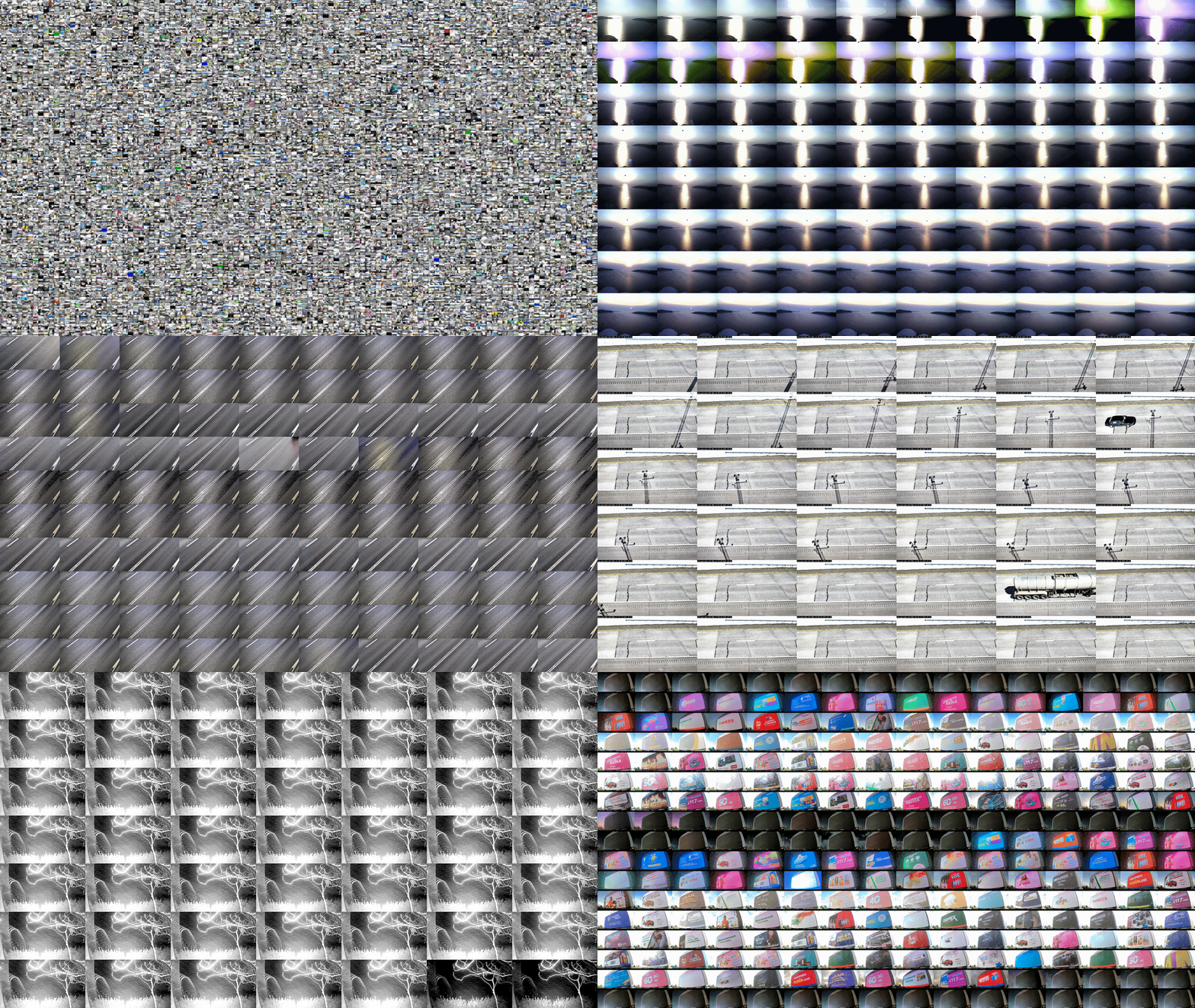
The cam archives appear as dense, seamless image clusters in the browser.
With no gaps between the individual images, they develop a fascinating dynamic of their own: strange patterns, clouds of images, orgies of color, ornamental architecture, etc. emerge.
Before our eyes, the individual images begin to flow into one another, they change their structure, alter their semantics, unfold a life of their own - a matrix of the present.
With each new call, the cluster appears in a different form, while the current live images are inserted and constantly transform the overall picture.
From the individual image to the overall picture:
Watching The World opens up the possibility of gaining new knowledge about the world.
On the one hand, by examining and analyzing individual images.
On the other hand, by focusing not only on the individual image, but also on the larger, comprehensive overall picture.
This change of perspective is achieved by systematically analyzing and interpreting the data streams and camera metadata. The underlying infrastructure and the practical applications of these cameras are also examined. Pattern recognition techniques are also used to identify and decipher hidden correlations and trends.
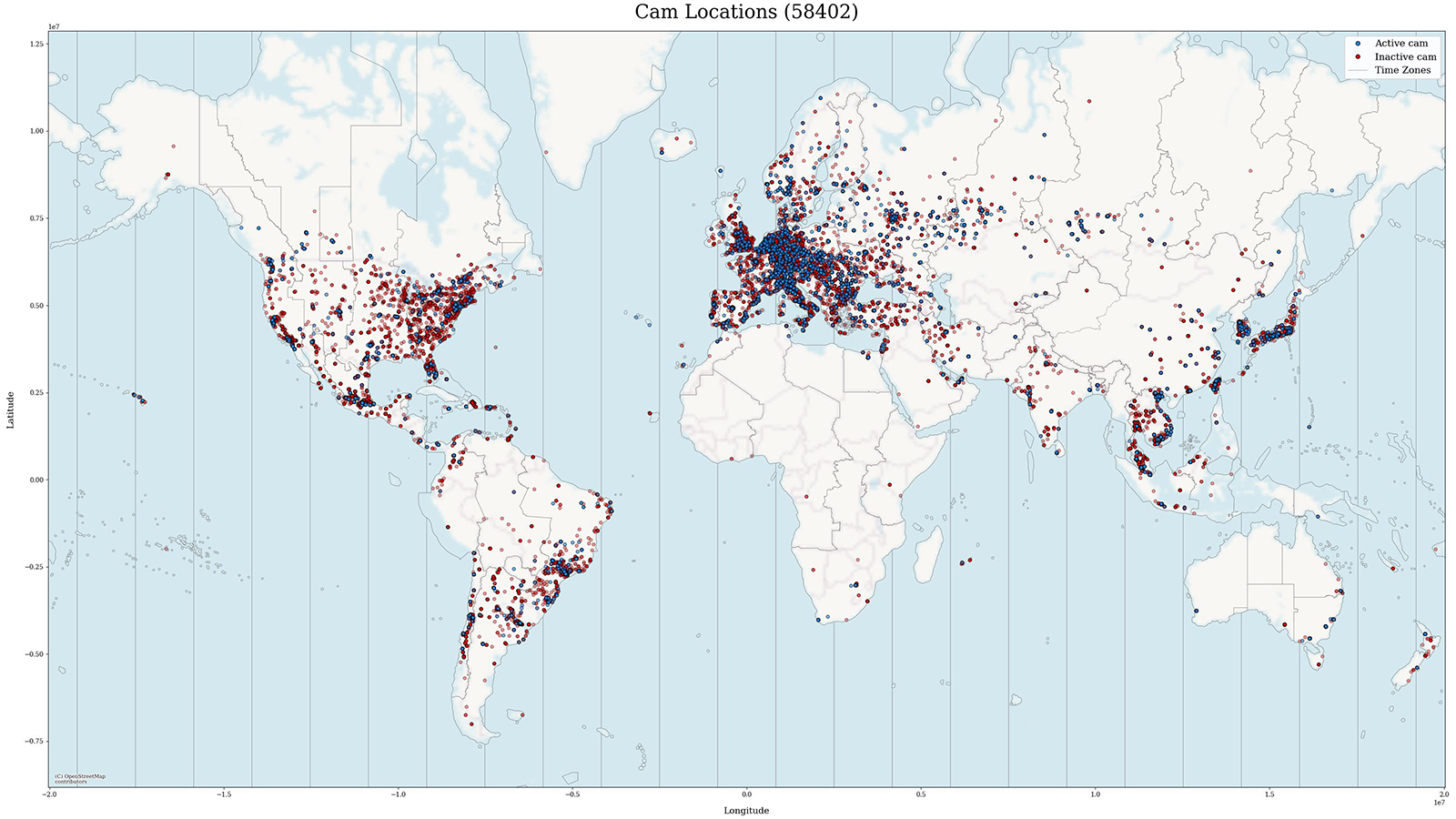
For example, the analysis serves to examine the following questions:
-
In which locations cameras are placed - and in which they are not.
-
Which camera types are used in certain areas and the reasons behind them.
-
Which content is shown in which locations - and which is deliberately not shown.
-
In which locations and regions new cameras are integrated into the network - and in which they are deactivated.
-
Which patterns and connections are recognizable in large image conglomerates.
Watching The World can therefore also serve as a precise trend barometer that shows changes and developments in the world, and at the same time acts as a seismograph for the current state and mood of the world.
MAGIC
From a technical point of view, live images are nothing more than data.
And data - and not only computer science teaches us this - always refers to further data.
At the same time, we know - and not only from philosophy - that nothing exists in technology that was not previously created in the
field of magic (Magical literature, science fiction etc.).
Data itself carries no meaning. It only becomes information through the intentions and perspectives of the viewer.
One and the same data set - a street scene, for example - can provide very different insights: into the volume of traffic, the weather, forensic analyses, the fashion of passers-by or the effect of cameras in public spaces.
Interpretation shapes reality.
