>> Follow AMERICAN SELFIES on Instagram
AMERICAN SELFIES is, in the proper sense, a large-scale report about the United States — photographed by means of publicly accessible surveillance cameras via the internet, operated from my place of work in Zurich.
The geographic and psychological distance of the observer from the observed is not incidental to the work; it is constitutive of it.
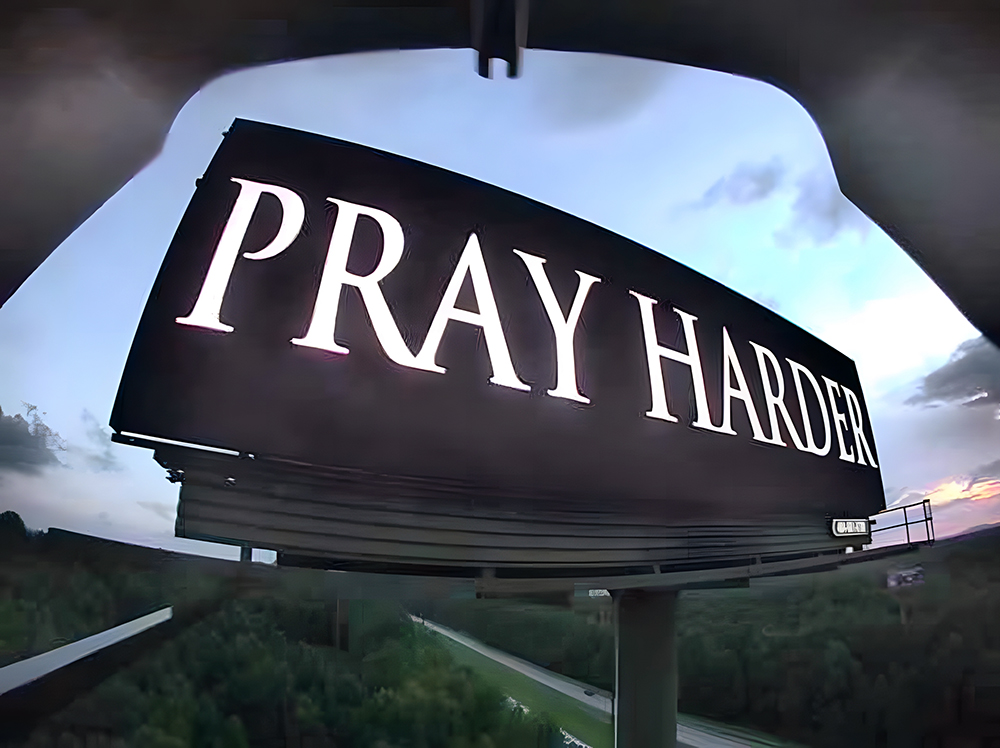
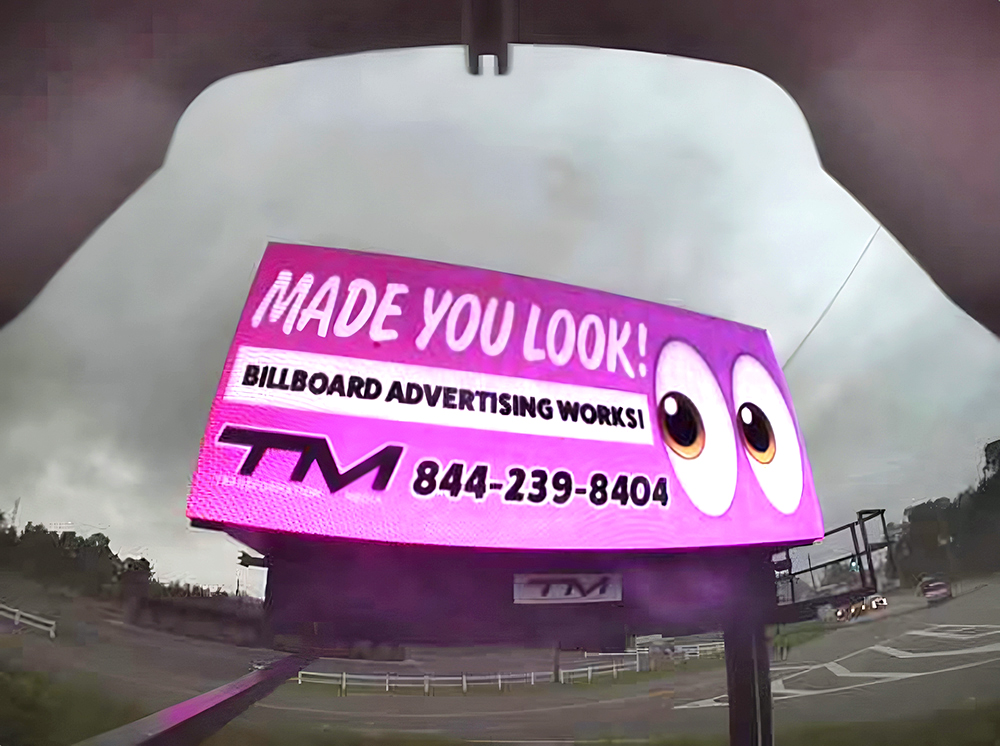
Billboards line the path along the American highways. They display advertising as well as local, regional and national information — the full spectrum of what a society wishes to say about itself when it believes it is speaking only to its own.
The cameras I access for this series serve the purpose of monitoring the technical functionality of the billboards. To this end, they are mounted on long iron poles fixed to the structures themselves, positioned to allow a view from a distance of a few meters. In the resulting images, the billboards appear in sharp relief — but so too do the sceneries, landscapes, and cities that surround them: the desert, the overpass, the strip mall, the mountain range. A current image of the USA emerges, perhaps reminiscent of a road movie in the sequence of pictures — episodic, lateral, unhurried, and strangely intimate.
The cameras, mounted at the tips of these iron poles, regard the United States from a slightly elevated position. The poles themselves enter the frame, and in doing so, they transform: they become unmistakably reminiscent of selfie sticks. The title AMERICAN SELFIES is almost obligatory in this arrangement.
The country depicts itself in this way — automatically, continuously, without authorial intention — producing selfies as a structural condition rather than a deliberate act.
## Advertising as Cultural Mirror
If you want to understand a country, you have to look at its advertising. This is not merely a practical observation but a theoretical claim.
Advertising is among the most concentrated forms of cultural self-expression a society produces: it is simultaneously economic speech and mythological narrative, commercial transaction and collective dream. Unlike journalism, which aspires to neutrality, advertising is fully and unashamedly of its moment. It reflects the demands and offers of the market, but also — and more revealingly — the current longings and needs that the market has learned to simulate and sell.
Psychologically, advertising operates at the level of the archetype. It reaches for images, figures, and scenarios that resonate not because they are new, but because they are already deeply embedded in collective imagination: the open road, the family at the table, the body as aspiration, the hero alone against the horizon.
These are not invented by advertising — they are borrowed from the deeper reservoirs of cultural mythology and returned to circulation in updated form. In this sense, billboards are a kind of ongoing iconographic inventory of a society's self-understanding: which archetypes are active, which are fading, which are being revised.
Sociologically, the billboard is a peculiarly public object. Unlike the advertisement on a phone screen — targeted, personalized, invisible to others — the billboard speaks to everyone and no one simultaneously. It stakes a claim on shared visual space. In this, it reveals something about the relationship between state and citizens, about social structures and their hierarchies, about what may be shown and what must remain unseen. Taboos, too, are legible in advertising: not only in what is displayed, but in the careful choreography of what is avoided, softened, or strategically absent.
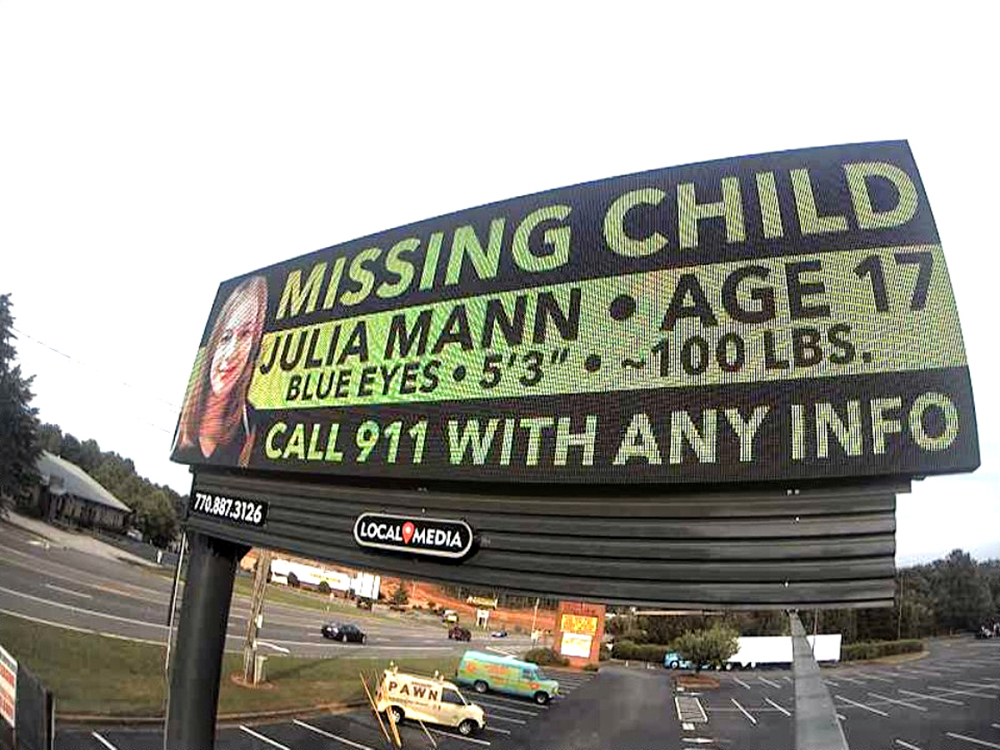
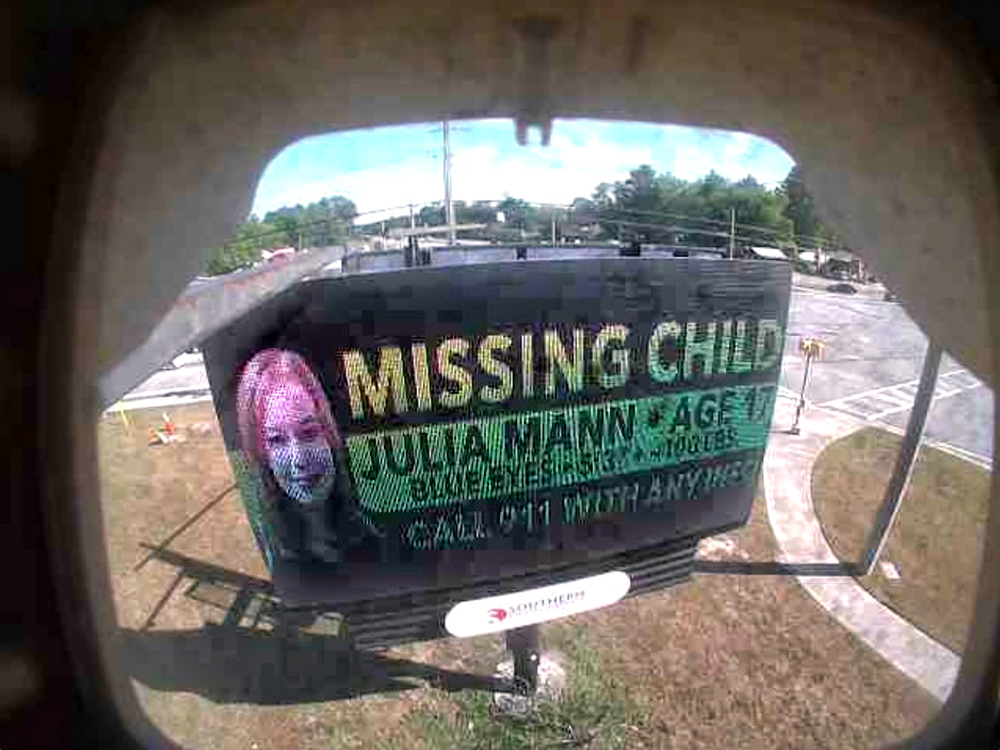
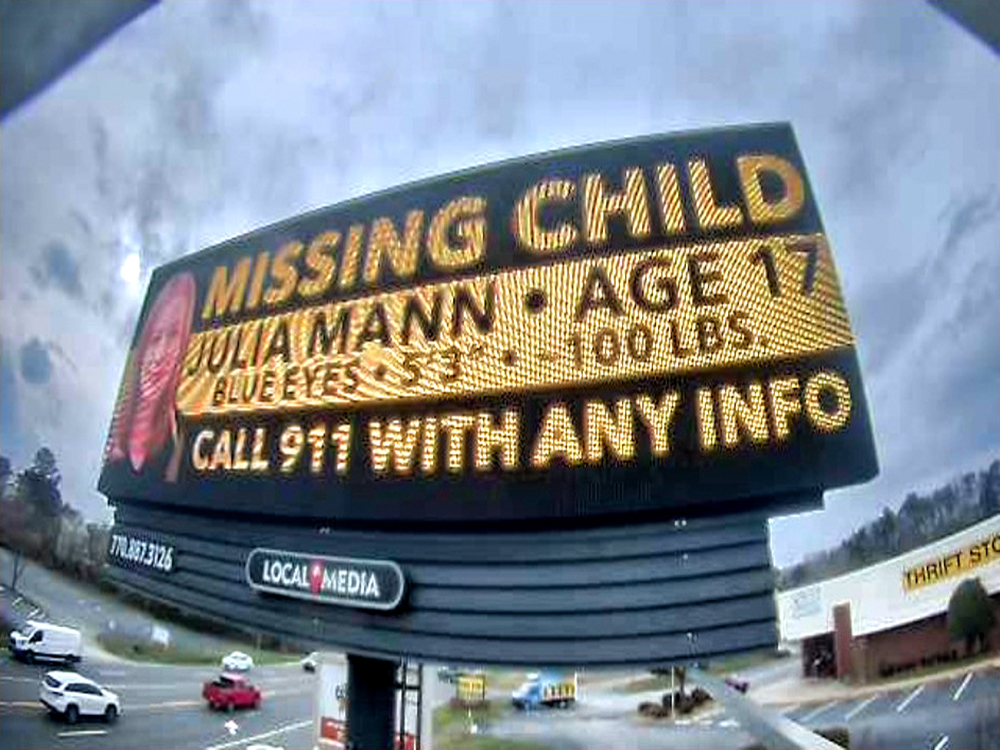
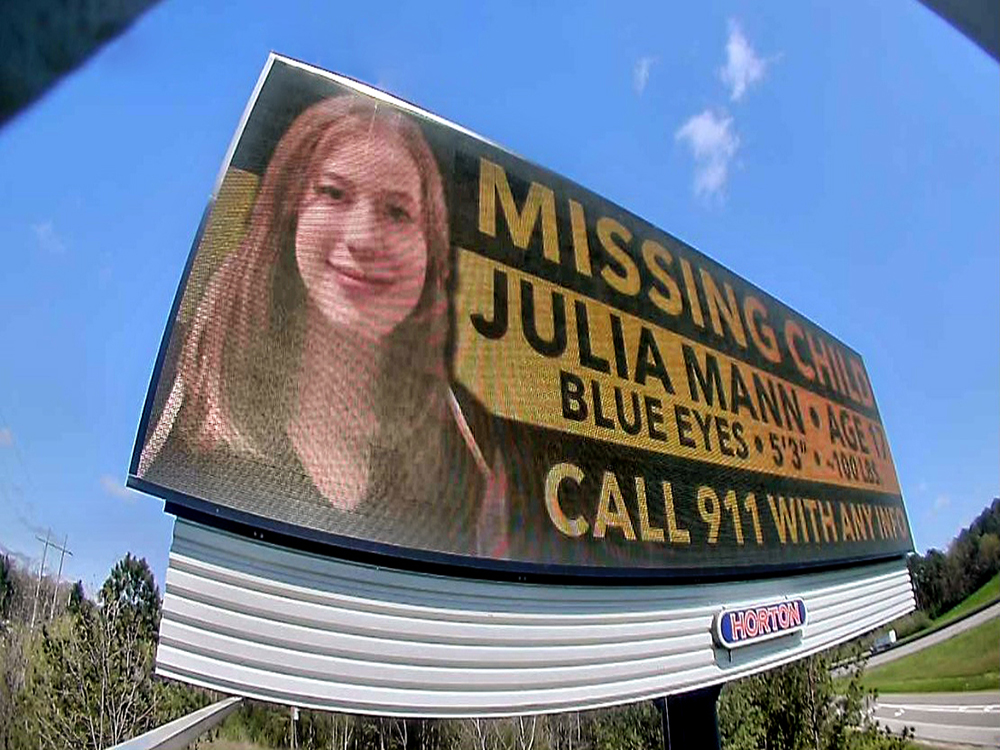
What AMERICAN SELFIES documents, then, is not simply a landscape but an ideological one. Each billboard is a small argument about what life is, what it should be, what is desirable and what is to be feared. In their accumulation — image after image, state after state, season after season — they compose something closer to a social unconscious made visible: the current state of the USA, rendered in the vernacular it has chosen for itself.
And crucially, advertising does not only reflect — it also *designs*. It projects desires before they are fully formed, and in projecting them, helps to bring them into being. The billboard is not merely a mirror of the present; it is also a draft of a possible future, offered for consumption.
To read American advertising carefully is to read a society in the act of imagining itself.
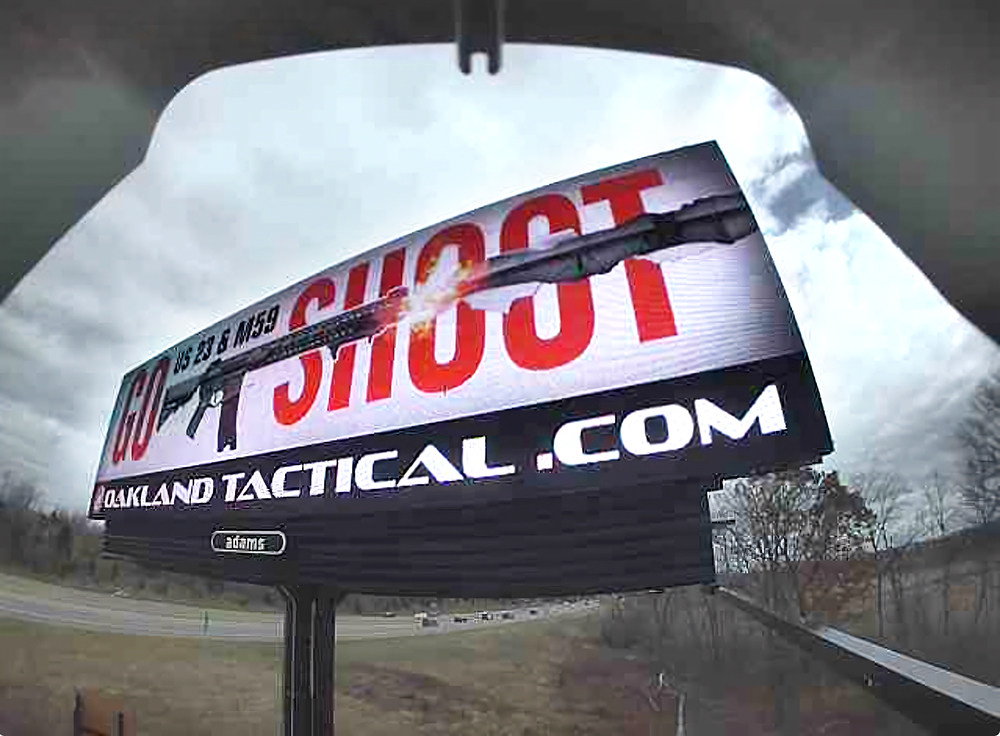
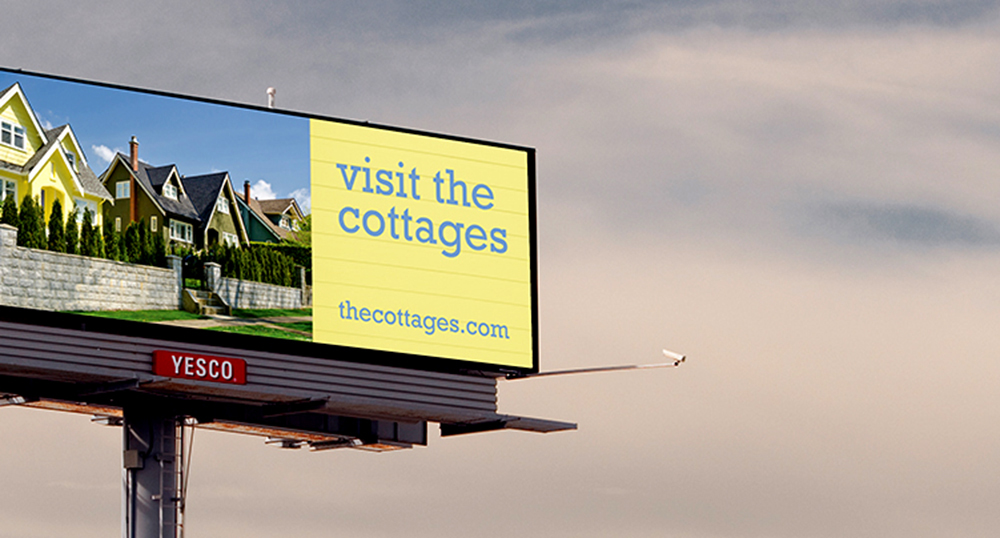 The cameras I access for this series serve the purpose of monitoring the technical functionality of the billboards.
To this end, they are mounted on long iron poles fixed to the structures themselves, positioned to allow a view from a distance of a few meters.
The series AMERICAN SELFIES is ongoing.
Images are captured continuously, automatically and by hand via the web — the country producing its own portrait,
one frame at a time.
AMERICAN SELFIES will be published as a book.